How to Choose a Flat Yarn Extrusion Line for Woven Bags: Key Specs & Sizing Guide
2026-11-19

Choose a flat yarn extrusion line based on the tape your circular looms run, the bobbins they accept, and the amount of finished tape they use per shift. If you’re bringing tape production in-house, take a sample from a bobbin that runs well on your looms. Use that sample and your current tape consumption to give suppliers a basis for sizing and quoting the line.
What Does a Flat Yarn Extrusion Line Produce?
The line extrudes plastic into a thin film, slits the film into narrow tapes, stretches them, and winds them onto bobbins. Circular looms weave the tape into fabric, which is then cut and sewn into bags.
How Do You Match the Line to Your Circular Looms?
Start with a tape sample
Send a sample of the tape used to make the type of bag you plan to produce. Include the tape width, thickness, and linear density in denier or tex if you have them. If your looms use different tapes for warp and weft, label and send a sample of each.
Specify the resin or blend you plan to run, including any recycled content. If you plan to change the blend, include the new formulation with your tape specifications.
Check the bobbin fit
Give the supplier your loom make and model, along with the dimensions of the empty core and the full bobbin. Include photos if you don’t have a drawing. Ask whether the winder can use your current cores and wind the tape to the full bobbin dimensions your looms accept. If possible, send a full bobbin so the supplier can see how the tape is wound. The goal is a bobbin that fits your loom and feeds tape smoothly.
Size the line for your tape consumption
Record how many kilograms of tape your looms use per shift and how many hours per day you plan to run the extrusion line. If you’re adding looms, list current consumption and projected demand separately.
When comparing quotes, ask how many kilograms of finished tape the line winds onto bobbins per hour. If the quote lists extruder melt output, ask for the finished tape figure too. Compare output figures based on the same resin blend and tape dimensions.
What Should You Send a Supplier for a Quote?
| What to share | What to include |
|---|---|
| Finished bag | Bag type, dimensions, and a sample or photo |
| Flat yarn | Tape sample and available specifications for warp and weft |
| Raw material | Planned resin or blend, including any recycled content |
| Circular looms | Make, model, and number of looms |
| Bobbin | Empty core and full bobbin dimensions, plus photos or a drawing |
| Production target | Tape use per shift, planned extrusion hours per day, and any projected demand from added looms |
| Installation site | Country and city |
If you’re sizing a line for your existing looms, use your tape sample and production target to start the discussion with Chun Tai. See the CT-100EPT and CT-110EPT Plastic Flat Yarn Making Machines for woven bag production.
Frequently Asked Questions
What if I measure production in bags per day?
Give the supplier your daily bag count, a finished bag sample, and your loom count and operating hours. If you buy tape from an outside supplier, include the amount you use per shift so the supplier has a direct measure of tape demand.
Can one line produce tape for several bag sizes?
Check whether the bags use the same tape specifications. If they differ, list the width, thickness, and linear density for each tape and ask the supplier which specifications the proposed line can run and what adjustments each changeover requires.
About Us
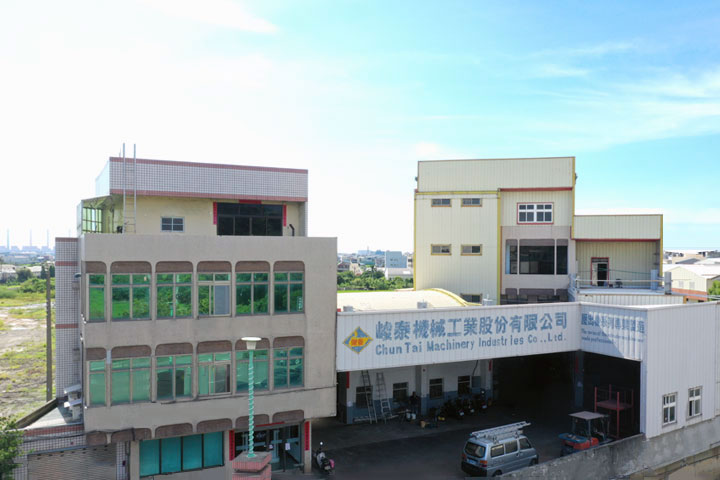
CHUN TAI Machinery was established in June 1970. With more than 50 years of experience specializing in recycling equipment such as plastic granulators and plastic sheet making machines, CHUN TAI insists on building top-quality machines and products that will raise customers' competitiveness.